

Why Choose Sport in WJ2
- ⚽
Full Coverage
Follow a wide variety of sports, including football, basketball, and more.
- 📊
Detailed Statistics
Access comprehensive data to help you make informed decisions.
- 🎁
Special Promotions
Earn exclusive bonuses and participate in end-of-year offers.
Brand News
- 🏆
Soccer
Watch live matches and enjoy the best betting options.
- 🏀
Basketball
Dive into the on-court action with exclusive stats and analysis.
- 🎾
Tennis
Bet on international tournaments with competitive odds.
WolfGoldUltimate: The Ultimate Gaming Experience with WJ2
Discover the thrilling world of WolfGoldUltimate, an innovative game combining captivating adventures and cutting-edge technology. Learn about its features, gameplay, and how it integrates real-world events.
- 📖
Study team statistics and performance before betting.
- 🕒
Gamble responsibly and set clear limits.
- 💡
Take advantage of seasonal promotions to maximize your earnings.

Exploring the Intricacies of Napoleon: The Classic Card Game

Understanding the Game of Napoleon: A Classic Card Game Revisited
The card game known as Napoleon has long intrigued players with its strategic depth and historical roots. Originally gaining prominence in Europe, this game continues to captivate card enthusiasts around the world. This exploration delves into the game's mechanics, origins, and how it has adapted to the contemporary gaming landscape.
History and Origins
Named after the French military leader Napoleon Bonaparte, the card game Napoleon dates back to the early 19th century. This trick-taking game initially found its audience among British players and quickly spread to other European countries due to its compelling gameplay and ease of learning. As its popularity grew, variations of the game emerged, each adding new layers of strategy and challenge.F28
Game Objective
The primary goal in Napoleon is for the declarer, the player who wins the bid, to successfully take the number of tricks they declared. Unlike games that rely heavily on luck, Napoleon demands a keen sense of strategy and the ability to anticipate opponents' moves. Winning a hand requires not only an understanding of one's own cards but also astute awareness of other players' potential strategies.
How to Play Napoleon
The game typically involves a standard 52-card deck and can accommodate three to seven players. The dynamics change subtly based on the number of participants, adding an element of flexibility and excitement. Before delving into the specifics of the rules, it's important to understand the basic structure of the gameplay.
Dealing and Bidding
The dealer, chosen randomly or from the previous game's winner, shuffles and deals the cards. Each player receives a hand of cards, the number of which can vary based on agreed-upon rules or variations. Beginning with the player to the dealer's left, each participant has the opportunity to bid on how many tricks they believe they can take. The highest bidder becomes the declarer, setting the stakes for the round.4579
Bids typically range from one to five, with the fifth level often referred to as a Nap, inspired by the ambition attributed to its namesake, Napoleon Bonaparte. Successfully winning with a Nap bid requires the declarer to take all the tricks, resulting in great reward or substantial loss based on the attempt's success.
The Play and Trick-Taking
Once bids are settled, the play begins. The declarer leads the round, and the objective is to win the number of tricks declared during the bid. The player who has the lead plays a card, and each subsequent player must follow suit if possible. If following the suit is not possible, players may play any card. The trick is won by the highest card of the suit led if no trump is played, or by the highest trump card if a trump is in play.
Trick-taking games like Napoleon hinge on a player's ability to gauge the value of their hand and predict the moves of others. This involves not only responding reactively but also setting the tone in earlier hands to confuse opponents or guide them towards undesired actions.
Adapting Napoleon in Modern Times
With the rise of digital gaming and online platforms, Napoleon has found new life in the virtual world. Many websites and applications offer digital versions of this classic game, allowing players to engage with opponents from across the globe. This has not only revived interest in Napoleon but also introduced it to younger generations eager for strategic card games beyond poker and bridge.
Napoleon in Popular Culture
Recently, with the increase in interest in historical figures and themed entertainment, games like Napoleon have seen a resurgence as part of educational settings and interactive exhibits. The game's relation to historical contexts offers an engaging way to explore European history and gaming's evolution over time. This trend has positioned Napoleon as not just a card game but a cultural artifact worth preserving and promoting.Tara777
Current Popularity and Competitions
Today, Napoleon is not just a casual game played among friends; it has inspired competitive gatherings and tournaments. These events highlight the game's enduring appeal and test players' skills at predicting and adapting to opponents' strategies. The strategic elements of Napoleon, combined with the thrill of competition, continue to draw card game enthusiasts from various backgrounds.ah77
Bringing Together Communities
Beyond its competitive aspects, Napoleon serves as a social bridge, bringing together diverse communities through a shared love of strategic play. In this way, the game not only entertains but also fosters interpersonal connections and shared experiences, making it a timeless classic in the world of card games.
PD777Brand News
-
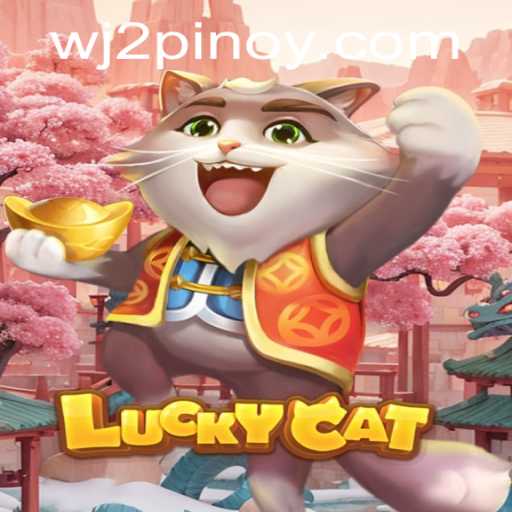
An in-depth look at the game LuckyCat, its introduction, mechanics, and rules, set against the backdrop of current global events.
-

Dive into the world of FruitNovaSuper100, a thrilling game that combines classic fruit-themed elements with innovative gameplay.
-

Explore the fascinating new world of TikiBlaze, a game that intertwines cultural motifs with strategic gameplay, while staying updated with current events.
-

Explore the enthralling world of SunofRa, a captivating game that blends mythology with strategy. Discover its rules, gameplay, and unique elements that make it a favorite.
-

Discover the exciting world of SuperNiubiDeluxe, a game that combines innovative technology with engaging gameplay. Explore its introduction, features, and rules.
-
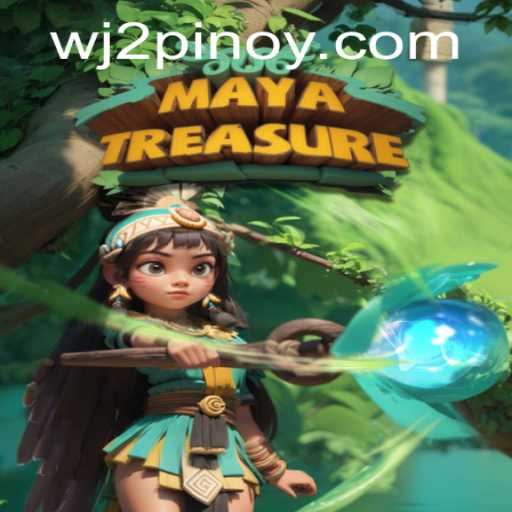
Dive deep into the exciting world of MayaTreasure. Discover its unique features, gameplay mechanics, and the secrets that it holds.
-
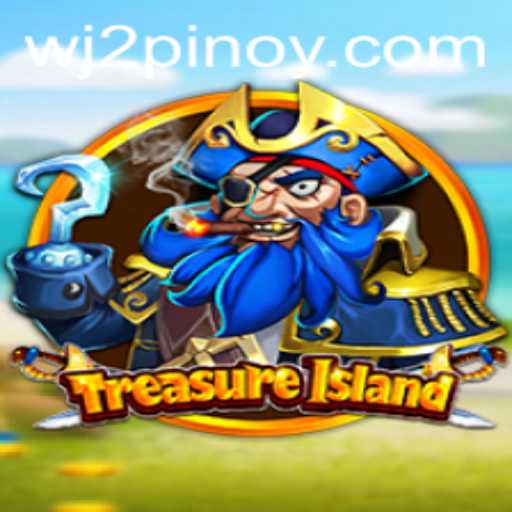
Explore the captivating world of TreasureIsland, a thrilling game offering adventure, excitement, and strategic gameplay.
-

Explore the enchanting world of Genie3Fortune where magic meets strategy in an innovative gaming experience.


